

Popular destinations can be far easier to enjoy when a trip falls between the busiest and quietest parts of the year. Shoulder season may bring lighter crowds, better access to major sights, and more room in the daily schedule. It can also bring changing weather, shorter hours, and reduced transportation. The best plan isn’t simply to travel in spring or fall. It’s to match a narrow travel window to the exact destination and activities.
Treat Shoulder Season as a Moving Window
Shoulder season isn’t a fixed set of months. It changes with the climate, school calendar, local holidays, and main reason people visit. A beach town may be quieter in late spring, while a mountain park may still have snow and closed roads. A major city can become busy again during a festival even after the summer rush has ended. Start by identifying the destination’s true peak period, then look just before or after it.
Japan shows why the exact dates matter. Golden Week, from late April into early May, is one of the country’s busiest travel periods, with crowded trains and hotels. The second half of May is calmer and still comes before the rainy season in much of the country. September can also bring fewer visitors after summer holidays, but typhoons are more common from late August through much of that month.
Choose the Side of the Season That Fits the Trip
The weeks before peak season and the weeks after it don’t offer the same experience. Spring may bring longer days, fresh growth, and attractions reopening one by one. Fall may offer warmer water, harvest events, and fewer families traveling with school-age children. The trade-off is that some services may start closing earlier as the season winds down. Decide which parts of the trip matter most before choosing a side.
For the Greek islands, useful shoulder-season windows can fall from mid-April through the end of May and from September through mid-October. Those periods can avoid the heaviest summer crowds and heat. A traveler focused on beaches may prefer early fall because the sea has had all summer to warm. Someone who wants hiking, village visits, and outdoor meals without peak heat may prefer late spring. The destination stays the same, but the better window changes with the purpose of the trip.
Check Access Before Booking Flights and Hotels
Fewer people don’t help if the main road, ferry, trail, or attraction isn’t operating. Before booking, make a short list of the trip’s nonnegotiable experiences. Check the opening date, closing date, weekly schedule, reservation system, and transportation link for each one. Don’t rely on a general statement that a park or city is open year-round. Individual roads and services may follow different calendars.
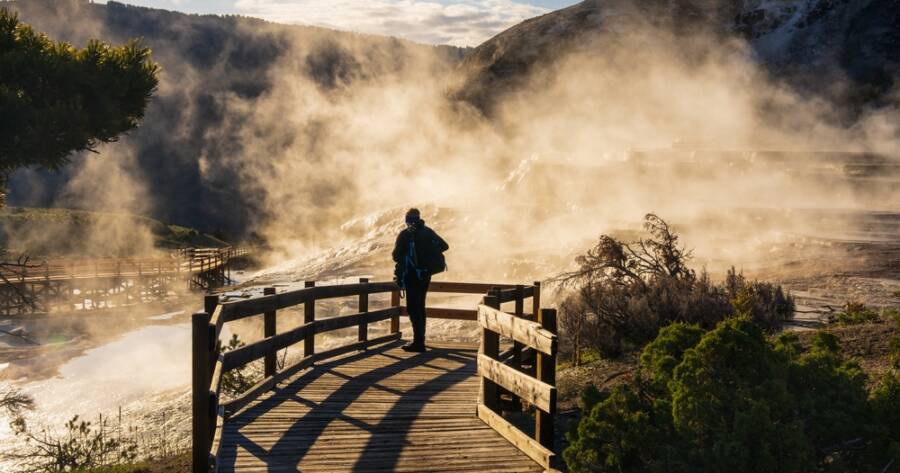
Yellowstone is a clear example. May is listed as moderately busy, but higher areas can still have snow, campgrounds open in stages, and roads may not all be available until around Memorial Day, depending on weather. October is also moderately busy, yet snow becomes more common and some roads can close by the middle of the month. A shoulder-season visit can work well, but only when the itinerary is built around the parts of the park that are actually reachable.
Don’t Assume Shoulder Season Means Empty
A destination can be less crowded than its annual peak and still feel busy. The label “shoulder season” is useful for comparing one month with another, but it doesn’t guarantee open parking, quiet trails, or walk-up tickets. Popular places often have several smaller peaks caused by weekends, holidays, fall color, wildlife seasons, or major events.
Zion National Park illustrates the problem. Most visits are concentrated from April through September, but October has historically drawn a share of visitors similar to May and September. That means an October trip may avoid midsummer heat without producing an empty park. Plan for a lighter version of peak season, not total solitude. Reserve what can be reserved, keep a second choice ready, and avoid building an entire day around one crowded viewpoint or trail.
Use Weekdays and Off-Peak Hours as a Second Strategy
Changing the month is only the first layer of crowd planning. The day of the week and time of day can matter just as much. A popular destination may be calm on a Tuesday morning and packed on Saturday afternoon, even during a quieter month. Put the most famous sights at the least popular times, then use the middle of the day for meals, museums, scenic drives, or less-visited areas.
At Olympic National Park, June through August are the three busiest months at the Hoh Rain Forest. Visitors seeking a quieter experience are advised to arrive before 10 a.m. or after 2 p.m., while peak summer use can stretch through most of the day. The same method works in shoulder season. Arrive early at places with small parking lots, schedule indoor attractions during afternoon surges, and save flexible activities for weekends or holidays.
Build Weather Flexibility Into the Itinerary
Shoulder-season weather can shift quickly, so the schedule needs room to move. Avoid placing every outdoor highlight on one fixed day. Give the destination two possible days for a major hike, boat trip, scenic train, or viewpoint. Keep one indoor or low-risk option ready for rain, wind, fog, or early snow. This approach protects the trip without turning every weather forecast into a crisis.
Flexible reservations can also matter more than a small upfront discount. Check change and cancellation terms for hotels, rental cars, tours, and transportation before paying. Stay long enough to move an outdoor plan by a day when possible. In Japan, September can be quieter than August, but the higher chance of typhoons makes an adaptable route important. At Yellowstone, off-peak weather can close roads or reduce services with little warning.
Match the Destination to the Trade-Off
Some places are better shoulder-season choices than others. Cities with strong public transportation, museums, restaurants, and indoor sights can absorb a rainy day. Beach destinations may lose much of their appeal when water activities, ferries, or waterfront businesses are limited. Mountain parks may offer quiet scenery, but access can change fast. The best destination is the one that still works when the season’s main drawback appears.
Create a simple test before booking. Ask whether the trip would still feel worthwhile if one outdoor day were lost, one seasonal route were closed, or evenings were cooler than expected. If the answer is no, move closer to peak season or choose a place with more backup options. If the answer is yes, the quieter window may be a strong fit. Shoulder-season travel works best when the plan values flexibility as much as lighter crowds.
Make the Quieter Season Work for You
A successful shoulder-season trip starts with exact dates, not a broad label such as spring or fall. Check local holidays, operating calendars, weather risks, and monthly crowd patterns before committing. It’s also worth confirming that the main attractions, transportation routes, and seasonal services will still be available during your chosen travel window.
Then add weekday visits, early starts, and flexible outdoor days. Keep one or two backup activities ready in case the weather or local conditions change. The goal isn’t to find a famous destination with no other visitors. It’s to choose a period when the experience, access, and trade-offs fit the way you want to travel.