

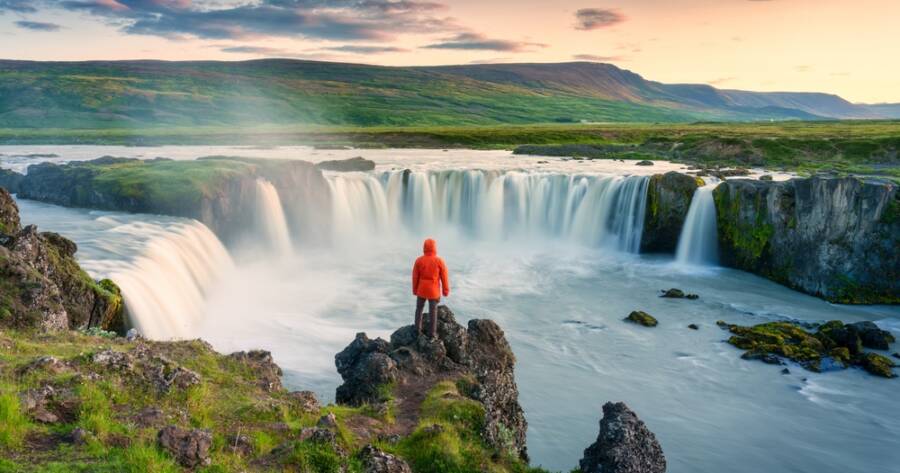
Few places can make a one-week vacation feel as adventurous as Iceland. Waterfalls thunder beside highways, glaciers stretch toward the horizon, black-sand beaches meet powerful Atlantic waves, and geothermal pools offer a warm escape after a long day outside. Seven days gives first-time visitors enough time to experience Reykjavík and several famous landscapes without racing around the entire country. A well-planned route also leaves room for spontaneous stops when Iceland’s scenery inevitably catches your attention.
7-Day Iceland Itinerary at a Glance
| Day | Where You’ll Go | Main Highlights | Where to Stay |
|---|---|---|---|
| Day 1 | Reykjavík | Hallgrímskirkja, Old Harbour, Harpa, city center | Reykjavík |
| Day 2 | Golden Circle | Þingvellir, Geysir, Gullfoss | Reykjavík or Selfoss area |
| Day 3 | South Coast to Vík | Seljalandsfoss, Skógafoss, Reynisfjara | Vík |
| Day 4 | Jökulsárlón and Vatnajökull area | Glacier lagoon, Diamond Beach, glacier scenery | Vík or South Coast |
| Day 5 | South Coast to Reykjavík | Scenic stops, waterfalls, optional geothermal soak | Reykjavík |
| Day 6 | Snæfellsnes Peninsula | Coastal scenery, fishing villages, Snæfellsjökull | Reykjavík |
| Day 7 | Reykjavík | Museums, shopping, geothermal bathing, final meal | Reykjavík or depart |
Before You Hit the Road
Renting a car gives you considerable freedom on a weeklong Iceland trip, particularly once you leave Reykjavík. Before setting off, check the weather and road conditions every morning. Iceland’s conditions can change quickly, and winter-like driving can occur during spring and fall as well as winter. SafeTravel specifically recommends adjusting your driving to current conditions and stopping somewhere safe rather than becoming distracted by scenery while behind the wheel.
Keep the itinerary flexible enough to accommodate weather changes. You don’t need to drive Iceland’s entire Ring Road to have an incredible first visit. The route below concentrates on Reykjavík, the Golden Circle, South Coast, and Snæfellsnes Peninsula. You’ll still experience an impressive range of landscapes while avoiding a vacation dominated by long driving days.
Day 1: Get to Know Reykjavík
Ease into your trip with a day in Reykjavík rather than collecting the rental car and immediately driving several hours. Iceland’s capital is compact enough to cover plenty on foot. Start around Hallgrímskirkja, then wander toward Laugavegur and the waterfront. Reykjavík’s city center combines museums, cafés, shopping, street art, and landmarks such as Harpa Concert Hall and the Sun Voyager.
Leave part of the afternoon unscheduled so you can adjust after your flight. Visit a museum, browse local shops, walk around the Old Harbour, or settle into a café. Dinner is a good opportunity to try Icelandic seafood or other local specialties. An early night isn’t a bad idea either. The following days involve more driving and outdoor sightseeing, so starting rested will make the trip much more enjoyable.
Day 2: Drive the Golden Circle
Your first road-trip day takes you around the Golden Circle, one of Iceland’s best-known sightseeing routes. Begin at Þingvellir National Park, where Iceland’s Alþing general assembly was established around 930. The park is also part of the Atlantic Ocean ridge, and its landscape reveals dramatic cracks and gorges created by geological forces. Give yourself time to walk rather than treating it as a quick photo stop.
Continue to the Geysir geothermal area and then Gullfoss waterfall. Together, Þingvellir, Geysir, and Gullfoss form the core of the Golden Circle, which can be traveled as a self-drive route. You can return to Reykjavík afterward or stay around Selfoss to shorten the following morning’s drive. Avoid squeezing too many optional attractions into the day. Three memorable stops enjoyed properly beat eight rushed ones.
Day 3: Follow the Waterfalls to Vík
Head toward Iceland’s South Coast and prepare for one of the most scenic drives of the week. Your first major stop can be Seljalandsfoss, a roughly 60-meter waterfall with a path that can allow visitors to walk behind the falling water when conditions permit. Winter ice can make the area dangerous, however, and closures should always be respected.
Continue east to Skógafoss, another 60-meter waterfall, before traveling toward Vík. Finish your sightseeing at Reynisfjara, famous for its black sand, basalt formations, and offshore sea stacks. Keep well away from the water because powerful waves have caused fatal accidents, even during seemingly good weather. Spend the night around Vík so you aren’t retracing the entire route after dark.
Day 4: See Jökulsárlón and the Glaciers
Day four takes you farther east toward some of Iceland’s most dramatic glacial scenery. Jökulsárlón sits beside the Ring Road within Vatnajökull National Park and is filled with icebergs that break away from Breiðamerkurjökull glacier. Ice eventually travels toward the Atlantic, with pieces often washing onto the nearby black-sand shoreline commonly called Diamond Beach.
Give the lagoon plenty of time rather than treating it as another quick roadside stop. Depending on the season and your interests, you might add a guided glacier experience or visit the Skaftafell area. If you hike, choose a trail appropriate for current conditions and your ability. Driving back toward Vík afterward makes for a long but rewarding day, so don’t overload the schedule. Iceland’s landscapes are far more enjoyable when you have time to stop, walk, and actually look around.
Day 5: Take the Scenic Route Back to Reykjavík
Use day five to return west without simply repeating your outbound journey. Any South Coast stops you skipped earlier can fit naturally into the drive. The region combines waterfalls, glaciers, black-sand beaches, volcano views, and small coastal communities, so there’s plenty beyond the headline attractions.
Keep part of the day open for places that caught your attention earlier in the trip. You may want another waterfall walk, a leisurely lunch, or a smaller attraction you didn’t have time to visit on day three. Once you reach the Reykjavík area, consider ending the day with a geothermal soak. Sky Lagoon, located minutes from central Reykjavík, offers an oceanside geothermal bathing experience and stays open throughout the year. Reservations are worth making ahead when your schedule is firm.
Day 6: Spend the Day on the Snæfellsnes Peninsula
After several days along the south, head west for a change of scenery on the Snæfellsnes Peninsula. The route is a full-day outing from Reykjavík, so start early and resist adding too many stops. Snæfellsnes is particularly appealing for travelers who want a taste of Iceland’s varied landscapes without committing to another multi-day drive.
Build your day around coastal viewpoints, lava landscapes, small fishing communities, and views toward Snæfellsjökull. The peninsula rewards flexibility, so choose a few priorities rather than attempting every marked attraction. Weather may also determine which viewpoints or walks make sense. Return to Reykjavík for the night, giving yourself an easier final day. If several hours of additional driving doesn’t appeal, you can substitute a guided Snæfellsnes tour and let someone else handle the road.
Day 7: Slow Down in Reykjavík
After six active days, keep your final day deliberately flexible. Return to anywhere you missed in Reykjavík, shop for souvenirs, linger over breakfast, or choose a museum that matches your interests. The capital has a surprisingly broad collection of history, art, and nature museums along with geothermal pools and outdoor attractions. A slower final morning also gives you breathing room if weather forced you to rearrange earlier plans.
If your flight leaves later in the day, avoid scheduling an excursion that could make getting to the airport stressful. Instead, enjoy one last meal and give yourself plenty of time for the drive to Keflavík International Airport, returning the rental car, and checking in. Travelers with another night available can use the afternoon for a geothermal pool or simply enjoy Reykjavík without another checklist of attractions to complete.
Make the Itinerary Work for the Season
A seven-day Iceland itinerary should be treated as a framework rather than a rigid schedule. Long summer daylight can give you more sightseeing flexibility, while winter brings shorter days and potentially more challenging road conditions. Spring and fall can deliver a mixture of conditions.
Your vehicle choice should also match the season and planned roads. The itinerary above sticks largely to established routes and doesn’t require venturing onto Highland F-roads. Those roads can involve rough terrain and unbridged river crossings, and SafeTravel notes that even some four-wheel-drive vehicles aren’t suitable for every F-road. Leave room to change plans whenever weather, road closures, or daylight make another option safer.
A Week You Won’t Soon Forget
Seven days may not be enough to see every corner of Iceland, but that doesn’t need to be the goal. Focusing on Reykjavík, the Golden Circle, South Coast, glacial landscapes, and Snæfellsnes gives you an impressive introduction without turning every day into a race. You’ll experience waterfalls, volcanic terrain, black beaches, geothermal water, glaciers, coastal communities, and city life within a single week.
The best Iceland itinerary also leaves a little space for the unexpected. Pull over safely when a viewpoint catches your eye, linger at a waterfall when the weather is beautiful, and skip an optional stop when everyone needs a slower afternoon. Iceland rewards travelers who pay attention to the journey between famous attractions just as much as the attractions themselves. A thoughtful pace can make one week feel surprisingly full without making the vacation exhausting.