

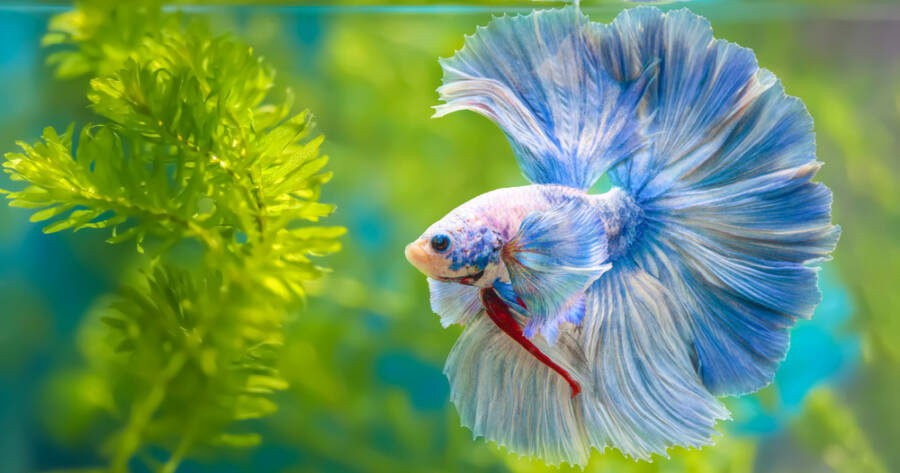
Bringing home a betta fish may seem simple, but creating a healthy environment takes more preparation than placing one in a bowl. Bettas need warm, clean water, gentle filtration, enough swimming space, and places to rest and hide. Setting up the aquarium before your fish arrives also helps prevent stressful water changes and unstable conditions. With the right supplies ready from the start, you can create a comfortable home that supports your betta for years.
Betta Fish Supplies at a Glance
| Item | Why You Need It | What to Look For |
|---|---|---|
| Aquarium | Provides swimming space and more stable water conditions | Ideally 5 gallons or larger with a secure lid |
| Gentle filter | Removes waste and supports beneficial bacteria | Low-flow or adjustable filter suitable for your tank size |
| Aquarium heater | Keeps the water consistently warm | Adjustable or appropriately sized heater |
| Thermometer | Helps monitor water temperature | Easy-to-read aquarium thermometer |
| Water conditioner | Makes tap water safe for aquarium use | Product that treats chlorine and chloramine |
| Water test kit | Helps monitor water quality | Tests for ammonia, nitrite, nitrate, and pH |
| Substrate | Covers the tank floor and supports decor | Smooth gravel, sand, or planted substrate |
| Plants and hiding spots | Provide security, enrichment, and resting areas | Live or silk plants, caves, and smooth decorations |
| Betta food | Provides appropriate nutrition | High-protein pellets or food formulated specifically for bettas |
| Aquarium light | Creates a consistent day and night cycle | Aquarium LED, particularly when keeping live plants |
| Gravel vacuum and bucket | Makes partial water changes and cleaning easier | Small siphon and a bucket reserved only for aquarium care |
| Fish net | Helps safely move your fish when necessary | Soft net appropriately sized for a betta |
Start With a Properly Sized Aquarium
Betta fish are often displayed in tiny containers at pet stores, but that doesn’t mean small bowls provide ideal permanent homes. A larger aquarium gives your fish more room to explore while making temperature and water conditions easier to keep stable. A 5-gallon or larger aquarium is a practical choice for most beginners, providing plenty of space without becoming difficult to maintain.
Look for a tank with a secure lid because bettas can jump. A horizontal aquarium also provides convenient access to the surface, where bettas regularly breathe air using their labyrinth organ. Place the aquarium on sturdy furniture away from direct sunlight, drafts, heaters, and busy areas where it could be bumped. Remember that a filled aquarium becomes surprisingly heavy, so choose its permanent location carefully.
Add a Filter With a Gentle Flow
A filter helps keep the aquarium cleaner by removing debris while also providing an important home for beneficial bacteria. Those bacteria help process fish waste and contribute to stable water conditions. Although an unfiltered betta tank is possible to maintain, it generally requires more careful water management. For beginners, gentle filtration makes routine aquarium care considerably easier.
Bettas aren’t powerful swimmers compared with many other aquarium fish, particularly varieties with large flowing fins. Strong currents can push them around and make swimming unnecessarily tiring. Choose a low-flow or adjustable filter designed for your aquarium size. Sponge filters are another popular option because they provide biological filtration with relatively gentle movement. Once your aquarium is established, keep the filter running continuously so the beneficial bacterial colony remains healthy.
Keep the Water Warm With a Heater and Thermometer
Bettas are tropical fish, so relying on room temperature alone can leave their aquarium too cold. A heater helps maintain consistently warm water even when your home cools overnight or during winter. Veterinary care guidance generally places an appropriate betta temperature in the upper 70s Fahrenheit, with PetMD recommending approximately 76 to 81 degrees Fahrenheit.
Choose an aquarium heater appropriate for your tank’s capacity and follow its manufacturer’s sizing and installation instructions. An adjustable model provides greater control, particularly if your home experiences large seasonal temperature changes. Add a separate aquarium thermometer so you can verify the actual water temperature rather than relying solely on the heater setting. Set up both items before your betta arrives and monitor the temperature for at least a day to make sure it remains stable.
Prepare and Test the Water Properly
Ordinary tap water may contain chlorine or chloramine, which can harm fish and beneficial aquarium bacteria. A water conditioner neutralizes harmful substances and should be used whenever fresh tap water enters the aquarium. Keep the bottle with your maintenance supplies so it isn’t accidentally forgotten during future water changes.
You’ll also need an aquarium water testing kit. Clear water can still contain dangerous levels of invisible waste products, so appearance alone can’t tell you whether an aquarium is healthy. At minimum, regularly monitor ammonia, nitrite, nitrate, and pH. Ammonia and nitrite should remain at zero in a properly established aquarium. Testing also helps you spot changing conditions early, giving you an opportunity to address water-quality problems before your betta begins showing obvious signs of stress.
Cycle the Aquarium Before Buying Your Fish
One of the most important betta supplies can’t actually be purchased: a healthy colony of beneficial bacteria. Aquarium cycling allows bacteria to become established inside the filter and on tank surfaces. Those microorganisms convert toxic ammonia produced by waste into nitrite and eventually into less harmful nitrate, creating what’s known as the aquarium nitrogen cycle.
Ideally, complete a fishless cycle before bringing your betta home. Cycling can take several weeks, so the aquarium shouldn’t be an impulse purchase made alongside the fish. Bacteria starter products may help establish the biological filter, but you’ll still need to test the water to determine whether the cycle is functioning properly. Once tests consistently show zero ammonia and zero nitrite with some nitrate present, you’ll have much safer conditions for introducing your new betta.
Choose Plants and Decorations With Care
Decorations make an aquarium attractive, but they also serve an important purpose for your betta. Plants, caves, broad leaves, and other hiding areas create places to explore, rest, and retreat. Live aquarium plants can be excellent additions, while silk plants provide a lower-maintenance alternative. Leave open swimming areas and make sure your betta can easily reach the surface.
Avoid sharp, rough, or jagged decorations that could snag delicate fins. Stiff plastic plants can also have surprisingly sharp edges, making softer alternatives preferable. Smooth aquarium gravel or sand can cover the bottom and help create a natural-looking environment. Whatever substrate and decorations you choose, use aquarium-safe products rather than rocks, wood, shells, or ornaments collected outdoors unless you know they’re appropriate for aquarium use.
Stock Nutritious Food Without Overfeeding
Bettas are carnivorous fish, so choose a high-protein food formulated specifically for them rather than relying solely on generic tropical fish flakes. Quality betta pellets make a convenient staple because their small size makes portions easier to manage. Frozen or freeze-dried foods such as brine shrimp or bloodworms can occasionally provide additional variety.
More food isn’t necessarily better. Overfeeding can contribute to health problems while uneaten food decomposes and affects water quality. Follow the feeding recommendations for your chosen product and pay attention to how much your individual fish actually consumes. Remove uneaten pieces instead of leaving them in the aquarium. If several people live in your household, establish who handles feeding or use a simple feeding tracker. Bettas can quickly receive several accidental meals when everyone assumes nobody else has fed them.
Have the Right Cleaning Supplies Ready
You don’t need dozens of aquarium-cleaning products to maintain a betta tank. A small gravel vacuum or siphon, dedicated bucket, algae scraper, and water conditioner cover many routine maintenance needs. The bucket should only be used for aquarium care because traces of household cleaners, soap, or other chemicals can be dangerous to fish.
Routine partial water changes help remove accumulated waste while preserving the beneficial bacteria supporting the aquarium. PetMD recommends changing approximately 15 to 25 percent of the water as part of regular maintenance, although frequency and volume can depend on your aquarium and test results. Avoid emptying and scrubbing the entire tank during normal cleaning. Beneficial bacteria live primarily on aquarium surfaces and filter media, and excessive cleaning can disrupt the biological balance you worked to establish.
Check Everything Before Your Betta Comes Home
Having supplies isn’t enough if they haven’t been installed and tested. Ideally, the aquarium should be running well before you choose your fish. Confirm that the heater maintains a stable temperature, the filter doesn’t create an excessive current, and the lid closes securely. Test the water and make sure the aquarium’s biological cycle has become established.
Before heading to the pet store, run through a final checklist:
- 5-gallon or larger aquarium is filled and cycled
- Secure lid fits correctly
- Filter creates a gentle current
- Heater maintains a stable tropical temperature
- Thermometer is installed
- Water has been properly conditioned
- Ammonia and nitrite test at zero
- Plants and hiding areas have smooth surfaces
- Betta food is ready
- Gravel vacuum and dedicated bucket are available
- Aquarium light follows a consistent day and night schedule
- Water testing supplies are within easy reach
Give Your Betta a Better Start
A betta doesn’t require an enormous or elaborate aquarium, but it needs more than a tiny bowl and a container of fish food. A properly sized tank, heater, gentle filter, conditioned water, safe decorations, nutritious food, and basic maintenance supplies create a much healthier foundation. Preparing everything beforehand also allows your aquarium to stabilize before its new resident arrives.
Good betta care becomes considerably easier once the initial setup is complete. Regular feeding, partial water changes, temperature checks, and water testing can become simple parts of your routine. Spending a little more time preparing at the beginning can prevent many common aquarium problems later, while giving your betta a comfortable environment where it can swim, explore, rest, and display its natural behavior.