

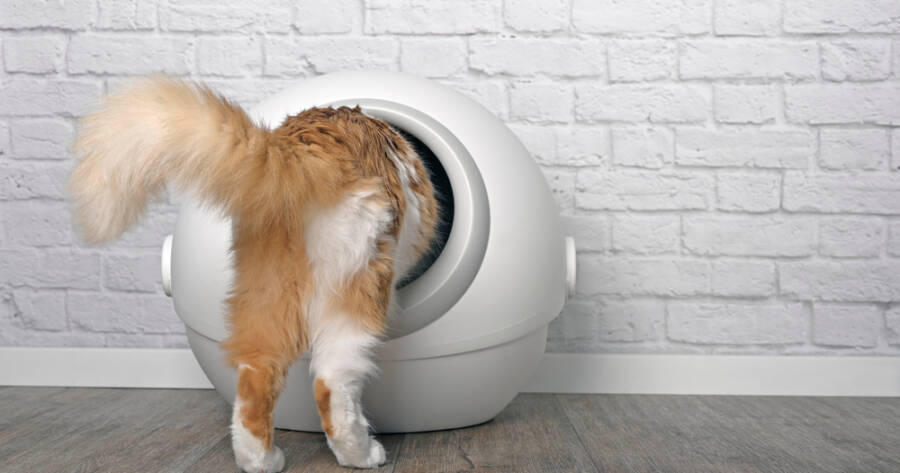
Keeping a litter box clean is one of the least glamorous parts of cat ownership, but technology has made the chore much easier. Automatic litter boxes promise cleaner homes, less odor, and fewer daily scooping sessions, making them an increasingly popular upgrade for busy households. While the convenience is appealing, not every model offers the same features or value. Understanding how automatic litter boxes work, along with their benefits and limitations, can help determine whether one deserves a place in your home.
How Automatic Litter Boxes Work
Automatic litter boxes are designed to reduce the need for manual scooping by removing waste shortly after your cat finishes using the box. Most models use sensors that detect when your cat enters and exits, then wait a few minutes before beginning a cleaning cycle. Waste is collected into a sealed compartment while clean litter remains in the box, ready for the next visit.
Although every manufacturer uses a slightly different cleaning method, the goal is the same: keep the litter fresher with minimal effort from the owner. Some premium models even connect to smartphone apps, allowing you to monitor cleaning cycles, waste levels, and your cat’s bathroom habits remotely. While they don’t eliminate maintenance entirely, they can dramatically reduce how often you need to scoop.
Benefits of Automatic Litter Boxes
Automatic litter boxes have become increasingly popular because they solve several common frustrations associated with traditional litter boxes.
- Less daily scooping and maintenance.
- Better odor control through sealed waste compartments.
- Cleaner litter for cats that prefer fresh boxes.
- Helpful for busy schedules or frequent travelers.
- Many models track litter box usage and cleaning history.
- Some premium options monitor your cat’s weight and bathroom habits, which may help identify health concerns early.
- Reduces direct contact with waste during daily cleaning.
For many households, the biggest benefit is consistency. Even if you’re busy or away during the day, the litter box stays cleaner than a traditional box waiting for manual scooping. Cats often appreciate having a consistently clean place to use, which may encourage better litter box habits.
Drawbacks to Consider
Despite the convenience, automatic litter boxes aren’t the perfect solution for every cat or every household.
- Higher upfront cost than traditional litter boxes.
- Some models require proprietary waste bags or accessories.
- Moving parts eventually require maintenance or replacement.
- Not every cat adjusts comfortably to automated cleaning cycles.
- Larger units can take up considerable floor space.
- Most require electricity or batteries.
- Some models only work well with specific litter types.
It’s also worth remembering that automatic doesn’t mean maintenance-free. Waste drawers still need to be emptied regularly, sensors should be cleaned periodically, and litter must still be replenished. The amount of work is reduced, but it isn’t completely eliminated.
Are Automatic Litter Boxes Worth the Investment?
Whether an automatic litter box is worth buying depends largely on your lifestyle, your budget, and your cat’s personality. For owners with multiple cats, demanding work schedules, or mobility limitations, the convenience can quickly outweigh the higher purchase price. Cleaner litter, improved odor control, and fewer daily chores are benefits many people appreciate every day.
On the other hand, a traditional litter box still performs well if you don’t mind scooping regularly or have a cat that’s hesitant around new technology. If your budget is limited, spending hundreds of dollars on an automatic unit may not provide enough additional value. The best investment isn’t necessarily the most expensive option. It’s the one that matches both your routine and your cat’s comfort level.
Best Automatic Litter Boxes to Consider
PetSafe ScoopFree SmartSpin
At a Glance
- Best for: Overall performance
- Self-cleaning: Yes
- App connectivity: Yes
- Odor control: Excellent
- Ideal household: One or multiple cats
The PetSafe ScoopFree SmartSpin combines reliable automatic cleaning with a simple, user-friendly design. Its rotating cleaning system separates waste efficiently while helping reduce odors through a sealed waste container. Smartphone connectivity lets owners monitor usage, receive maintenance reminders, and check litter levels remotely. It’s an excellent all-around choice for households looking for dependable automation without an overly complicated setup.
Litter-Robot 4
At a Glance
- Best for: Premium features
- Self-cleaning: Yes
- App connectivity: Advanced
- Odor control: Excellent
- Ideal household: Multi-cat homes
The Litter-Robot 4 is often considered the benchmark for automatic litter boxes. Its spacious design accommodates cats of various sizes, while advanced sensors monitor usage and pause cleaning whenever a cat approaches. The companion app (the Whisker app) provides detailed usage reports and maintenance notifications, making it a favorite among owners who want maximum convenience and smart-home integration. Although it’s one of the most expensive options available, many owners feel the performance justifies the investment.
Neakasa M1
At a Glance
- Best for: Open design
- Self-cleaning: Yes
- App connectivity: Yes
- Odor control: Very good
- Ideal household: Cats hesitant about enclosed boxes
The Neakasa M1 stands out because of its open-top design, which many cats find less intimidating than enclosed automatic litter boxes. It offers quiet operation, effective waste separation, and app controls that allow owners to monitor activity remotely. The open layout can make transitioning easier for cats that are nervous around enclosed spaces while still providing the convenience of automatic cleaning.
Petkit Pura Max 2
At a Glance
- Best for: Odor control
- Self-cleaning: Yes
- App connectivity: Yes
- Odor control: Outstanding
- Ideal household: Indoor cats
The Petkit Pura Max 2 focuses heavily on cleanliness and odor management. Multiple odor-reduction features help minimize unpleasant smells between waste drawer changes, while automatic cleaning keeps litter fresh throughout the day. The companion app offers cleaning schedules, health tracking, and maintenance alerts, making it an attractive choice for owners who value technology and convenience.
Casa Leo Leo’s Loo Too
At a Glance
- Best for: Quiet operation
- Self-cleaning: Yes
- App connectivity: Yes
- Odor control: Very good
- Ideal household: Noise-sensitive homes
Leo’s Loo Too earns praise for operating quietly while still delivering a thorough cleaning performance. Safety sensors pause operation whenever a cat approaches, and the enclosed waste compartment helps contain odors effectively. Its combination of quiet performance, safety features, and straightforward controls makes it an appealing option for both first-time buyers and experienced cat owners.
How to Choose the Right Automatic Litter Box
With so many models available, it’s important to focus on the features that matter most for your home rather than simply choosing the most expensive option. Consider your cat’s size, the number of cats in your household, and how much maintenance you’re hoping to eliminate. Some units excel at odor control, while others prioritize smart features or quiet operation.
As you compare models, keep the following considerations in mind:
- Household size: Multi-cat homes benefit from larger waste compartments and higher-capacity units.
- Cat size: Larger breeds need spacious interiors to turn around comfortably.
- Open vs. enclosed design: Some cats feel more comfortable using an open litter box, while others prefer added privacy.
- Cleaning mechanism: Rotating drums, rakes, and sifting systems all work differently, so choose one that’s easy to maintain.
- Odor control: Look for sealed waste drawers, carbon filters, or deodorizing systems if odor is a concern.
- App features: Smartphone notifications, cleaning schedules, and usage tracking can add convenience.
- Noise level: Quieter models are less likely to startle nervous cats.
- Compatible litter: Some automatic litter boxes only perform well with specific clumping litters.
- Replacement supplies: Consider the ongoing cost of waste liners, filters, and replacement parts.
- Ease of cleaning: Removable components and smooth interior surfaces make routine maintenance much simpler.
Common Mistakes When Switching to an Automatic Litter Box
Introducing an automatic litter box too quickly is one of the biggest reasons cats reject it. Many cats are naturally cautious around unfamiliar objects, especially ones that make noise or move unexpectedly. Placing the new box beside the old one for several days or weeks allows your cat to explore it at their own pace before making the full transition.
It’s also important not to activate automatic cleaning immediately if your cat seems hesitant. Many manufacturers recommend running the cleaning cycle manually at first, so your cat becomes comfortable using the box before seeing it move. Patience during the transition often leads to much better long-term success.
Frequently Asked Questions
Do automatic litter boxes work with multiple cats?
Yes, many models are specifically designed for multi-cat households. Larger waste drawers and frequent cleaning cycles help keep the litter fresh, although you’ll likely need to empty the waste compartment more often than in a single-cat home. Always check the manufacturer’s recommended cat limit before purchasing.
Can kittens use automatic litter boxes?
Most manufacturers recommend waiting until kittens reach a minimum weight, often around 3.5 to 4 pounds, before using an automatic litter box. Smaller kittens may not reliably trigger safety sensors, so a traditional litter box is generally the safer option until they’re older.
Are automatic litter boxes safe?
Modern automatic litter boxes include multiple safety features, including motion sensors, weight sensors, and automatic shut-offs that prevent the cleaning cycle from operating while a cat is inside. Choosing a reputable brand and following the manufacturer’s setup instructions helps ensure safe operation.
How often do automatic litter boxes need to be emptied?
Most households only need to empty the waste drawer every few days to once a week, depending on the number of cats using the box. You’ll still need to add fresh litter periodically and clean the unit according to the manufacturer’s maintenance schedule.
Will every cat use an automatic litter box?
Not always. While many cats adapt quickly, some are cautious around movement or unfamiliar sounds. A gradual introduction usually improves success, but individual personality plays a role. Keeping the old litter box available during the transition gives your cat time to adjust comfortably.
A Cleaner Home Starts With the Right Choice
Automatic litter boxes aren’t a necessity, but they can make daily pet care significantly more convenient. By reducing scooping, improving odor control, and keeping litter cleaner between maintenance sessions, they offer meaningful benefits for many cat owners. The key is selecting a model that fits both your household and your cat’s preferences.
Whether you choose a premium smart model packed with technology or a simpler self-cleaning design, the best automatic litter box is the one your cat happily uses every day. Taking the time to compare features, understand ongoing maintenance, and introduce the new box gradually will help ensure your investment pays off with a cleaner home and a happier feline companion.